
I Need to Lose Weight Now, but Where Do I Start?
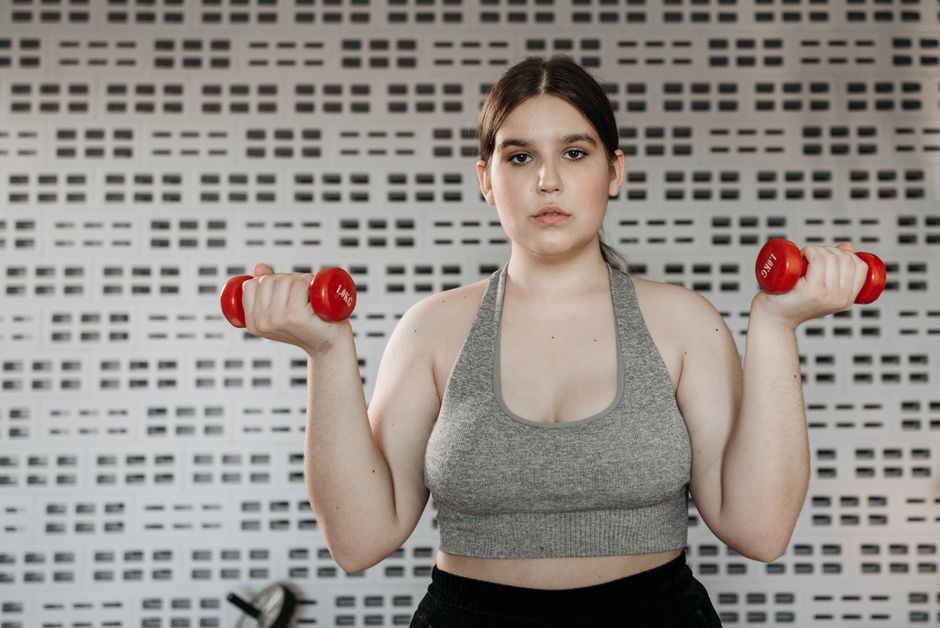
Start with a seven-day reset, not a drastic diet: track your usual food, drinks, movement, sleep, and stress for a few days; choose two specific changes; and begin with short walks you can repeat. CDC guidance from 2025 says gradual loss of about 1 to 2 pounds a week is more likely to last, while crash targets create frustration. The first win is a workable routine, not a perfect week.
I need to lose weight now, but where do I start?
Start by making the problem visible, then make it smaller. The urgent feeling often produces a bad brief: change every meal, exercise every day, and expect a dramatic result immediately. That plan overloads your schedule before it has earned your buy-in.
For the first few days, log what happens without trying to grade it. CDC guidance from 2025 recommends tracking food and drinks, physical activity, sleep, and stress to identify small changes. Use a notes app, paper, or a digital tracker. The tool matters less than completing the record.
Call this the Baseline Before Rules move. Weak version: “I will be healthier.” Strong version: “For the next few days, I will write down each drink, meal, snack, walk, sleep period, and stressful moment.” The stronger line gives you something to review rather than something to feel guilty about.
Weight management is not only a food decision. CDC guidance from 2025 notes that medicines, medical conditions, stress, genes, hormones, environment, and age can affect it. If weight concerns are tied to a medical condition, medication questions, or symptoms that make activity difficult, a clinician can help determine what is safe and appropriate before a bigger plan begins.
A low-pressure first week
This is an editorial sequence built from the specific-goal and tracking approach in CDC guidance from 2025, not a promise of a particular result. Keep the cognitive load low: observe first, then repeat a few actions.
| Week step | What to do | Why it earns a place |
|---|---|---|
| Days 1 and 2 | Record food, drinks, movement, sleep, and stress as they happen. | CDC guidance from 2025 recommends several days of tracking to reveal small, practical changes. |
| Day 3 | Review the record and choose one eating or drinking pattern to adjust. | A narrow change is easier to repeat than a total food overhaul. |
| Days 4 through 6 | Schedule a walk for 15 minutes on 3 days. | CDC guidance from 2025 uses this exact first-week example because it is specific and realistic. |
| Day 7 | Review what got in the way and set the next week’s two or three goals. | CDC guidance from 2025 advises focusing on only two or three goals at a time and restarting promptly after setbacks. |
What should I change first to lose weight without doing everything at once?
Change the most repeatable part of your routine first, then pair it with a scheduled activity habit. The useful question is not “What is the strictest plan?” It is “Which decision happens often enough that a small adjustment will matter, and can I keep making it?”
NIDDK guidance from 2026 puts the central rule plainly: the eating plan has to be maintainable over time. Its summary of the Dietary Guidelines says added sugars and saturated fat should each remain below 10% of daily calories, while sodium should remain below 2,300 milligrams per day. Those are guardrails, not a demand to rebuild your kitchen overnight.
Use a phrase swap when the old plan sounds heroic. Weak version: “I am cutting out everything I like.” Strong version: “I am changing the one food or drink pattern I recorded most often, while keeping meals I can sustain.” The replacement behavior is the plan.
Digital tracking can support this process when it reduces guesswork rather than becomes another full-time job. A 2021 systematic review and meta-analysis in Obesity Reviews included 12 randomized controlled trials after screening 4,068 studies. It found that digital self-monitoring of diet and activity was associated with greater weight loss than comparison conditions, with a mean difference of 2.87 kilograms; tailored approaches outperformed non-tailored ones. That is the case for a personal baseline, not a borrowed template.
If you want a calorie estimate, use the NIH Body Weight Planner. NIDDK describes it as an adult tool that uses age, sex, height, weight, current activity, target weight, and target date to create an individualized calorie and activity plan. It is not intended for pregnant or breastfeeding people and does not replace personal medical advice.
Do I need to join a gym to start losing weight?
No. A gym can be useful, but the first requirement is regular activity that fits your life and can be done safely. Walking, short activity breaks, and other accessible movement count; the gym is an option, not an entry fee.
Federal physical-activity guidance says adults should aim for 150 to 300 minutes of moderate-intensity aerobic activity each week and muscle-strengthening activity on 2 days each week. But the same guidance says inactive people should start with small amounts and build gradually, and that any amount of moderate-to-vigorous activity has some health benefit. Do not turn the destination into a reason to skip the first walk.
Run the Calendar, Not Willpower drill. Weak version: “I will work out more.” Strong version: “I will walk before work or at lunch on the days I choose.” NIDDK guidance from 2026 uses similarly concrete examples, including a walk for 15 to 30 minutes before work or at lunch on specified days.
For people with heart disease, high blood pressure, diabetes, or another chronic health condition, NIDDK guidance from 2026 says a health care professional can help identify activities that are safe and beneficial. That is not a reason to wait for perfect conditions. It is a reason to match the starting point to the person.
Frequently Asked Questions
Should I count calories from day one?
Not necessarily. Start by recording food and drinks for a few days so the pattern is visible; CDC guidance from 2025 recommends this kind of tracking to identify small changes. If a calorie target would be useful, the NIH Body Weight Planner creates an adult estimate from personal inputs, rather than relying on a generic number.
What can I do this week that will actually help me lose weight?
Track your routine, replace one repeatable high-calorie drink or snack pattern, and schedule short walks. CDC guidance from 2025 gives walking for 15 minutes on 3 days in the first week as a specific starter goal. The point is to build a plan that can continue after the urgent feeling fades.
How do I stay motivated after the first few days?
Do not make motivation the system. Keep a simple record, make the next action small and scheduled, and restart at the next meal or next walk after a lapse. CDC guidance from 2025 says setbacks are expected and recommends getting back to the plan promptly.
End the week with two questions: “Which action happened with the least friction?” and “What made the other action hard to start?” Keep the first action. Redesign the second. That is the homework: make the next week easier to execute than the last one.
Sources
- Centers for Disease Control and Prevention: Steps for Losing Weight
- National Institute of Diabetes and Digestive and Kidney Diseases: Eating and Physical Activity to Lose or Maintain Weight
- U.S. Department of Health and Human Services: Physical Activity Guidelines Questions and Answers
- National Institute of Diabetes and Digestive and Kidney Diseases: Body Weight Planner
- Obesity Reviews: Digital Self-Monitoring of Diet and Physical Activity
Disclaimer: This article is for general information only and is not medical advice. It is not a substitute for diagnosis or treatment by a qualified healthcare professional. Always speak to your doctor before acting on anything you read here.
Related guides
Can I Keep Going to the Gym While I Am in Physical Therapy?
How to combine gym training and physical therapy without treating them as separate workloads.
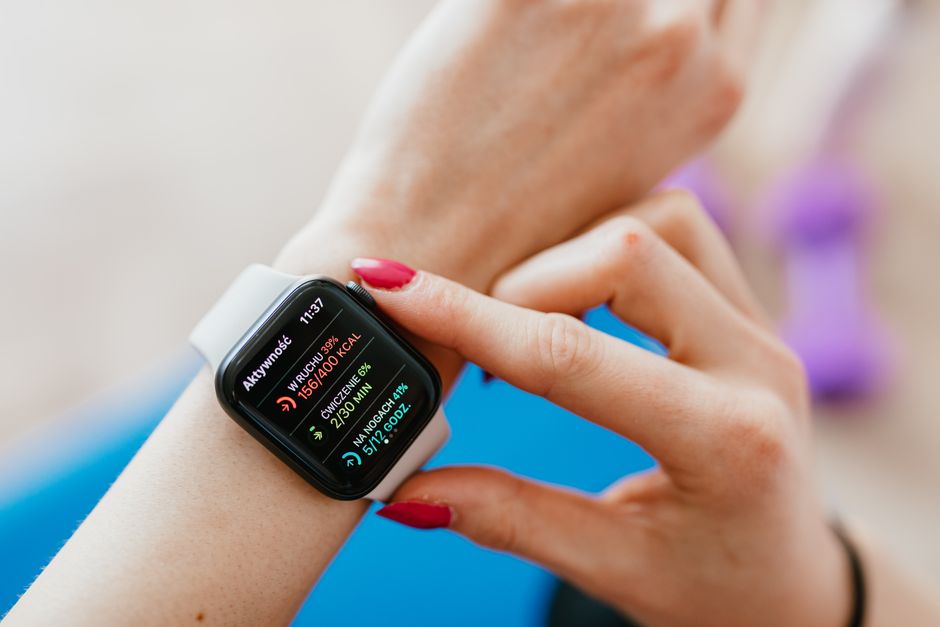
Do I Need to Count Every Calorie to Lose Weight?
A practical, evidence-based way to use calorie tracking for awareness without weighing and logging every bite perfectly.