
Can I Keep Going to the Gym While I Am in Physical Therapy?
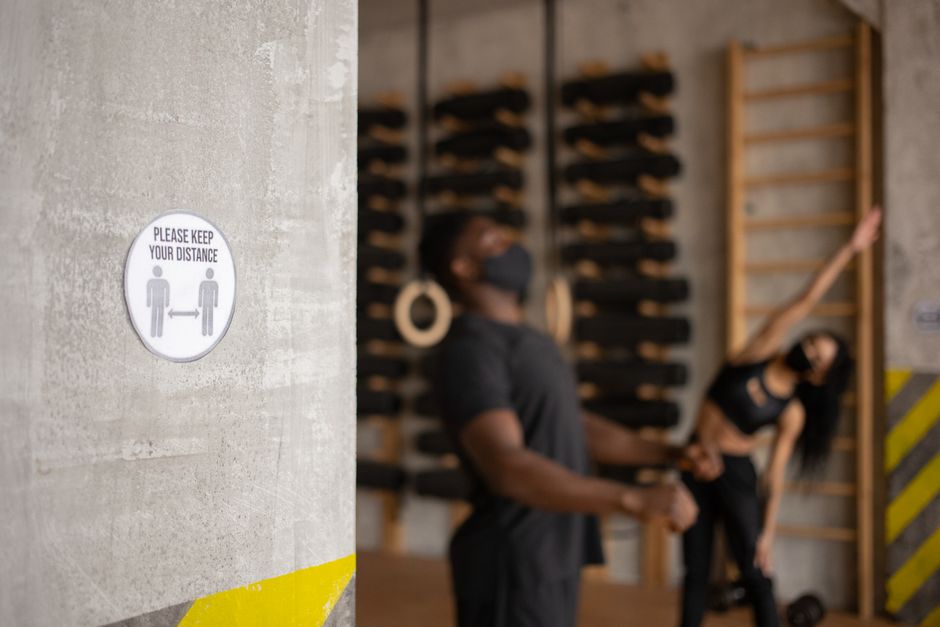
You can often keep some gym activity while in physical therapy, but the gym and rehabilitation program need to operate as one total training load, not as separate projects. Keep only the work that your physical therapist says fits the plan, report exactly what aggravates symptoms, and stop activities that create localized, sharp, constant, or movement-changing pain.
Can I keep going to the gym while I am in physical therapy?
Yes, in many cases, but the decision is not simply “injured body part versus everything else.” The workable question is: what can stay in the week without competing with recovery, aggravating symptoms, or causing you to compensate elsewhere?
That distinction matters because physical therapy is training. The American Physical Therapy Association says physical therapists build plans around a person’s condition and goals, then recheck progress and change the plan as needed. Give the clinician the unfiltered version of your routine: lifts, cardio, sport, class schedule, hard days, and the movements that feel better or worse. “I go to the gym” is not enough information. “Deadlifts, rowing, and a weekend run provoke this symptom” is useful.
A randomized controlled trial published in 2007 on PubMed found no demonstrated negative effect from continued, pain-monitored running and jumping during Achilles tendinopathy rehabilitation when paired with progressively increased tendon and calf loading. That is not permission to copy an Achilles protocol for a knee, shoulder, or hamstring problem. It makes the larger point: continued activity can fit rehabilitation when the loading rules are specific.
Use the load ledger. Put rehabilitation exercises, lifting, cardio, sport, and physically demanding work on the same ledger. If one item rises, another may need to fall. This prevents the common mistake of calling PT “recovery” while quietly adding it on top of an unchanged training week.
Should my physical therapy exercises replace my usual workout?
Physical therapy exercises should replace the part of your usual workout that conflicts with the rehabilitation plan, not automatically every form of exercise. The prescribed frequency, repetitions, and resistance are part of the treatment dose; the American Physical Therapy Association warns that more is not always better and can cause injury.
The weak approach is: “I will do my normal lower-body session, then add rehab.” The stronger approach is: “Which parts of this session now overlap with, duplicate, or undermine the prescribed work?” That is a conversation for the treating clinician, because a rehabilitation program is not a generic accessory circuit.
For knee rehabilitation, the American Academy of Orthopaedic Surgeons states that exercise selection should be discussed with a doctor or physical therapist and that pain during an exercise should not be ignored. The program includes its own progression and maintenance guidance. That structure is the point: rehabilitation has a dose, a purpose, and a progression. Randomly stacking similar gym work on top creates noise instead of useful training.
Bring this script to the next appointment: “My current priority is to stay active without slowing recovery. Here is my actual weekly training. Which movements can remain, which need a lower load or range, and which are off the list for now?” It reduces guesswork for both sides.
How do I avoid doing too much rehab and gym training in one week?
Avoiding overload means changing total work gradually, leaving recovery room, and using symptoms as feedback rather than as a challenge. The AAOS notes that overuse injuries can occur when repeated athletic activity does not give soft tissues enough recovery time, and it identifies sudden increases in duration, intensity, or frequency as a common route to injury.
Run three checks before adding work. First, ask whether the new activity repeats the same stress as rehabilitation. Second, ask whether fatigue will change your movement quality during the prescribed exercises. Third, ask whether you have made several changes at once. The AAOS recommends adding no more than one or two new activities per workout rather than taking on too much at once.
Do not confuse ordinary soreness with injury pain. According to the American Physical Therapy Association, delayed-onset muscle soreness and fatigue generally peak 24 to 72 hours after a muscle-stressing activity and resolve after a few days. Injury pain is more likely to be localized, intense, constant, sharp with movement, disruptive to sleep, or accompanied by a limp or other compensation.
The replacement behavior is clear: stop the painful activity, document what happened, and bring that pattern to the clinician. If pain does not go away after 7 to 10 days, the American Physical Therapy Association advises evaluation by a doctor or physical therapist. Persistent symptoms after an injury also warrant contacting a doctor, according to the AAOS.
For a hamstring strain, the answer is not always “zero pain” or “push through.” A PubMed-indexed randomized controlled trial of 43 men found that pain-threshold rehabilitation did not accelerate return-to-play clearance compared with pain-free rehabilitation, while strength recovery differed between groups. The practical lesson is not to self-prescribe a pain threshold. It is to make pain rules injury-specific and clinician-led.
Frequently Asked Questions
Can I train other body parts while recovering from an injury?
Training other body parts can be part of a modified plan when it does not interfere with the injured area or the prescribed rehabilitation workload. The useful move is to show your physical therapist the actual exercises, positions, and equipment involved, because activities that seem unrelated can still require bracing, gripping, balance, or compensation.
How do I know whether a workout is making my injury worse?
Treat localized, intense, constant, or sharp pain as a warning sign, especially if it changes how you move, causes a limp, alters shoulder use, or interferes with sleep. The American Physical Therapy Association says to stop painful activity rather than push through it; pain that does not resolve after 7 to 10 days warrants evaluation by a doctor or physical therapist.
Should I do my PT exercises before or after lifting weights?
The sequence depends on the prescribed rehabilitation dose and the demands of the gym session, so it belongs in the plan set by the treating clinician. Bring the exact workout order to the appointment and ask for a clear rule, such as which exercises are non-negotiable, which lifts are modified, and what symptoms require the session to end.
Put the Plan on One Page
Your next step is small and concrete: list every training demand in the coming week, including rehabilitation, and take that list to the next physical therapy visit. Ask for a keep, modify, or pause decision beside each item. If your symptoms raise a broader neurological question rather than a training-injury question, see How Quickly Does Parkinson's Disease Progress?; it requires a different clinical discussion.
Sources
- PubMed: Continued sports activity, using a pain-monitoring model, during rehabilitation in patients with Achilles tendinopathy
- PubMed: Pain-Free Versus Pain-Threshold Rehabilitation Following Acute Hamstring Strain Injury
- American Academy of Orthopaedic Surgeons: Sprains, Strains, and Other Soft-Tissue Injuries
- American Academy of Orthopaedic Surgeons: Knee Conditioning Program
- American Physical Therapy Association: Preparing for Your Visit With a Physical Therapist
- American Physical Therapy Association: Soreness vs Pain: What's the Difference?
Disclaimer: This article is for general information only and is not medical advice. It is not a substitute for diagnosis or treatment by a qualified healthcare professional. Always speak to your doctor before acting on anything you read here.
Related guides

Do I Need to Count Every Calorie to Lose Weight?
A practical, evidence-based way to use calorie tracking for awareness without weighing and logging every bite perfectly.