
How Do I Choose an English Breakfast Tea for the Morning?
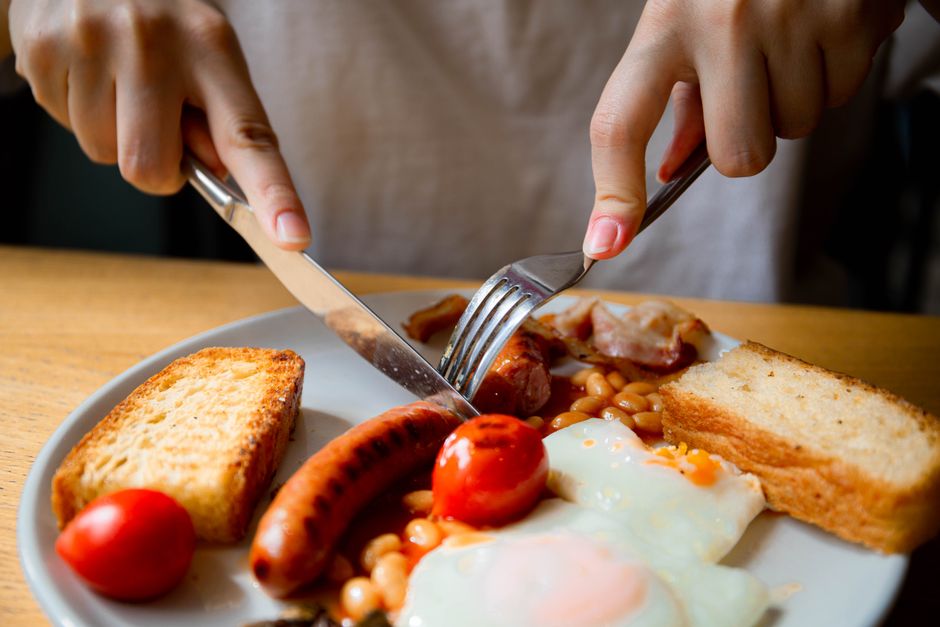
Choose English Breakfast tea by the cup you want, not the label alone: pick a brisk Assam-Ceylon blend for a lively black tea, brew it for 3 to 4 minutes, and add milk if you prefer a rounder, more robust result. For more control, use loose leaf; for speed, use a tea bag or pyramid sachet, then adjust tea quantity and steep time before calling a tea weak.
What is the best tea to drink in the morning?
The best morning tea is the one whose strength, caffeine level, format, and milk compatibility fit the way you actually drink it. English Breakfast is a practical default if you want a black tea with clear character rather than a delicate cup: the UK Tea & Infusions Association describes it as traditionally blending Assam and Ceylon to create a pungent, flavoursome, brisk tea.
Start with the flavour decision. Assam is the useful signal if you want a fuller, maltier direction. Ceylon brings a brighter, crisper direction. The association also notes that many English Breakfast blends include African tea for coppery brightness. That gives you a better shopping question than “Which brand is best?” Ask: “Do I want malty and robust, or bright and brisk?”
Use the Milk Test. If you routinely add milk, choose a blend described as robust, malty, pungent, or brisk. The UK Tea & Infusions Association describes Yunnan black tea as rich, earthy, and malty, similar to Assam, and says it is best with milk. By contrast, it describes Nuwara Eliya teas as light and delicate, with flavour heightened by lemon rather than milk. Milk is not an afterthought; it changes which tea profile makes sense.
Caffeine deserves a separate decision. The UK government guidance says a mug of tea contains about 75 mg of caffeine, compared with about 100 to 140 mg for a mug of coffee, though both can vary widely. For most healthy adults, the same guidance cites 400 mg a day as an intake unlikely to cause adverse effects; during pregnancy, it advises a 200 mg daily limit. If you are building a morning routine around food or weight goals, caffeine is still only one input; calorie counting is not the only way to structure a weight-loss plan.
| Morning preference | Best starting choice | Practical move |
|---|---|---|
| Malty, fuller cup with milk | English Breakfast leaning toward Assam-style richness | Brew first, then add milk |
| Bright, brisk black tea | English Breakfast with Ceylon character | Use the baseline brew before extending time |
| Fast, repeatable weekday cup | Tea bag or pyramid sachet | Keep water and steep time consistent |
| More control over the cup | Loose leaf | Adjust the tea dose before pushing the steep longer |
Which English breakfast tea is strongest?
The strongest English Breakfast tea is not identifiable from the name alone; strength is created by the blend and by how you prepare it. This is where many morning cups go wrong. A weak tea is often treated with extra steeping time as the only fix, even though the controllable variables are broader.
Research published in the Journal of Agricultural and Food Chemistry found that tea variety, growing environment, manufacturing conditions, and leaf-particle grade influence the finished infusion. It also found that brewing in a teabag, including the bag's size and material, affects the drink. Most important for the home drinker, tea quantity, water quantity, infusion time, and agitation were major determinants of caffeine, polyphenols, and soluble solids in the cup.
Run the Stronger Cup Sequence. First, use more tea within the product's normal serving approach. Second, keep the water hot enough for black tea. Third, use the recommended steep window before extending it. The UK Tea & Infusions Association recommends water at 90 to 98 C for black tea, with one tea bag or one rounded teaspoon of loose tea per cup as the baseline. Its guide lists Assam black tea at 3 to 4 minutes, with or without milk.
- Weak version: “Leave the bag in longer.”
- Better version: “Use the normal black-tea temperature, start with the stated tea-to-water baseline, then increase tea quantity before extending the steep.”
- Finish cleanly: Remove the bag after brewing rather than letting an unattended mug make the decision for you.
That sequence protects flavour. Longer steeping affects caffeine concentration, according to a Journal of Analytical Toxicology analysis indexed by PubMed, but it is only one lever. A more concentrated cup is not automatically a better-balanced cup.
What breakfast tea tastes best with milk?
Breakfast tea tastes best with milk when the blend has enough body and briskness to remain distinct after milk is added. English Breakfast fits that job well because its traditional Assam-Ceylon structure was designed to be pungent and flavoursome. Kenyan black tea is another relevant reference point: the UK Tea & Infusions Association lists it at 3 to 4 minutes and specifically says it is suitable with milk.
Use the Add-Milk-Last rule. Brew the tea first, then add milk. The association explicitly advises brewing a bag in the mug before adding milk and removing the bag after brewing. This gives the tea a clear brewing window instead of asking milk to compensate for an under-brewed cup.
Format does not settle the question. Loose leaf is not automatically better than tea bags, and a pyramid sachet is not automatically stronger than either. The controlled research is direct: preparation method changes what ends up in the cup. Choose the format that lets you repeat your preferred result on a busy morning. Loose leaf gives you an easy way to alter the tea dose; a bag gives you a fast baseline; a pyramid sachet may be convenient, but the source evidence does not support treating the shape as a guarantee of a superior cup.
Do this week: make the same English Breakfast twice. Keep the water and milk amount constant. On the second cup, change only one variable, either tea quantity or steep time. Write down which cup stays noticeable after milk. That is your reliable morning-tea specification.
Frequently Asked Questions
Is loose leaf breakfast tea better than tea bags?
Not automatically. Controlled research found that the tea format, bag size and material, tea quantity, water quantity, steep time, and agitation all affect the composition of the finished drink. Choose loose leaf when you want to adjust the dose easily; choose tea bags when a consistent, quick baseline matters more, then tune the brew time.
Does English breakfast tea have more caffeine than coffee?
Usually, no. A laboratory analysis found 14 to 61 mg of caffeine per 6- or 8-ounce serving across the brewed teas tested, and the researchers concluded that most brewed teas contain less caffeine per serving than brewed coffee. UK government guidance gives a broad mug-level comparison of about 75 mg for tea versus about 100 to 140 mg for coffee, while noting that both vary widely.
What is the difference between English, Irish, and Scottish breakfast tea?
The provided sources establish English Breakfast as traditionally an Assam and Ceylon blend, sometimes with African tea for brightness. They do not provide a verified standard recipe or sensory profile for Irish or Scottish breakfast tea, so the label alone is not enough to predict strength or milk compatibility. Check the producer's blend description, then use the brewing method to shape the cup.
Sources
Related guides
Choose Fresher Whole-Bean Coffee With a Simple Buyer’s Guide
Choose fresher whole-bean coffee with a roast-date-first system for grocery shoppers, budgets, storage, and brewing.