
What Are the Best Cash Hiding Places at Home and While Traveling?
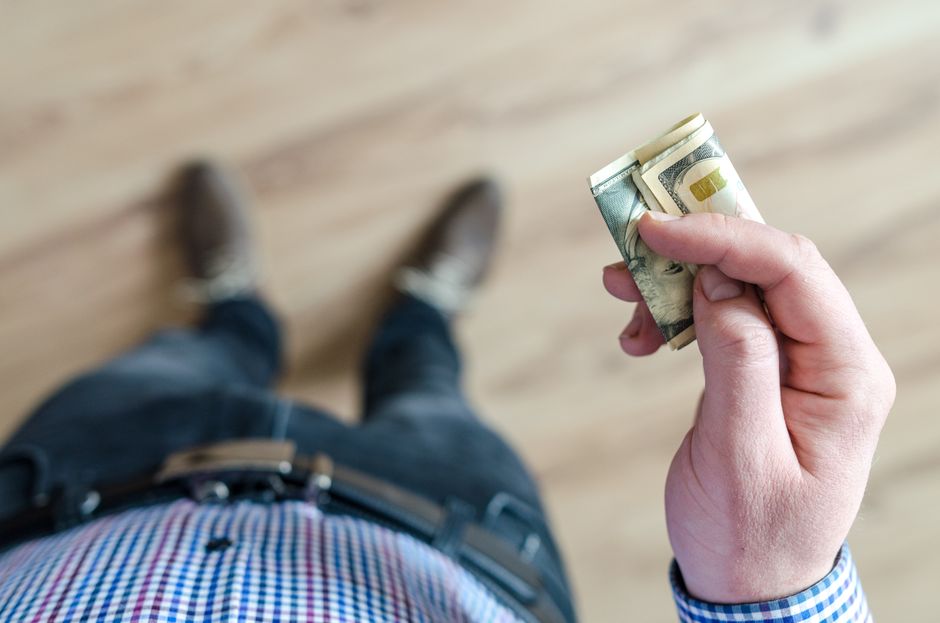
The best cash hiding places are secure, easy-to-remember locations that protect a modest emergency reserve without concentrating all your money in one spot. At home, prioritize a bolted safe in a dry, discreet location; while traveling, split a small amount between separate secure places and keep a little accessible. No hiding place prevents every loss, and cash at home is not FDIC-insured.
Where do most people hide cash at home?
Common household hiding places include drawers, closets, containers, and other spots that seem private but are easy to search or accidentally disturb. A hiding place that depends on secrecy alone offers limited protection: anyone who knows the routine, or searches the usual storage areas, can find it.
Rank options by practical security, access, and exposure to damage. These are general categories, not guarantees; the location and construction of a home change the risks.
| Rank | Option | Practical trade-off |
|---|---|---|
| 1 | Bolted, fire-rated safe in a discreet, dry location | Harder to remove and easier to retrieve; protection depends on installation and the safe’s rating. |
| 2 | Locked, fixed cabinet or lockbox | Improves access control, though it offers less protection than a suitable safe. |
| 3 | Sealed, labeled waterproof pouch inside secure storage | Can reduce water exposure, but does not prevent theft or fire loss. |
| 4 | Separate, documented household locations | Reduces the risk that one incident takes the whole reserve; raises the risk of forgetting one stash. |
| 5 | Ordinary drawer or closet container | Easy to reach but easy to discover, move, or discard during cleaning. |
| 6 | Decorative or novelty diversion container | Can be conspicuous to someone searching for hiding devices and may be mistaken for clutter. |
| 7 | Unmarked, improvised spot known only from memory | May seem discreet but has the highest risk of being forgotten or damaged unnoticed. |
This ranking weighs convenience against common loss routes, not measured theft rates. The sources provided do not compare household hiding places or establish that any specific household container resists theft, fire, or flooding. Use a stable, known location rather than treating an unusual object as security.
Where are safer cash hiding places that are easy to remember and retrieve?
Safer cash hiding places pair access control with a location you can reliably find. A fixed safe or lockbox in a dry area is more practical than a clever but unrecorded stash; keeping the reserve modest limits the amount exposed to loss.
Ready.gov recommends keeping a small amount of cash at home in a safe place because ATMs and credit cards may not work during a disaster. It also recommends small bills for essentials such as food and fuel. Utah State University Extension says the right amount depends on household needs, including food, fuel, evacuation distance, and possible motel costs; it does not prescribe one universal figure.
Make retrieval part of the plan. Choose one primary location, tell an appropriate trusted household member where it is, and keep a private record that does not sit beside the cash. If you divide the reserve, record the locations securely. A stash no one can locate is unavailable in the emergency it was meant to cover.
Cash at home has no FDIC deposit insurance, and Utah State University Extension identifies theft and fire as risks. The FDIC says larger amounts can be held in eligible deposits at an FDIC-insured bank, with deposits insured up to at least $250,000 per depositor, per insured bank, per ownership category. A modest emergency reserve and savings in insured accounts serve different purposes: one is immediately available during a disruption; the other is protected under deposit-insurance rules.
Where should I not hide money in my house?
Avoid places that are obvious, exposed to damage, or likely to be disturbed. Commonly searched or easily discovered spots include bedside drawers, clothing pockets, dresser compartments, desk drawers, and containers that look like they are meant to conceal valuables.
- Do not rely on an easy-to-search spot: ordinary drawers and closets offer little separation from household belongings.
- Avoid water-prone areas: basements and locations near plumbing can expose cash to water. Ready.gov notes that homeowners insurance typically does not cover flooding.
- Avoid heat and fire exposure: hiding cash near appliances or in places that cannot withstand a fire adds damage risk without making the stash easier to retrieve.
- Do not use a spot likely to be cleaned out: loose cash inside packaging, old books, or clutter can be discarded by you or another household member.
- Avoid relying on memory alone: a secret location that is not recorded safely can become a permanent loss.
Insurance is not a substitute for choosing a sensible location. Utah State University Extension recommends checking whether homeowners insurance covers lost cash, and Ready.gov advises reviewing policies for hazards relevant to the household. Check your own policy for cash limits and exclusions, then ask the insurer whether documentation or an endorsement changes the terms.
Keeping personal emergency money at home is generally different from concealing assets to evade taxes, creditors, or court orders. The sources cited here do not set out legal rules for every circumstance; obligations depend on the situation and applicable law.
Where can I hide cash while traveling?
While traveling, split a modest amount between separate secure locations and keep a small accessible portion for immediate needs. Avoid carrying the full reserve in one wallet, bag, or pocket, and avoid carrying more cash than the destination requires.
Travel needs depend on how payments work at the destination. The UK Foreign, Commonwealth & Development Office advises visitors to Cuba to bring enough cash for the stay and emergencies because international cards may not be accepted and international-card ATM withdrawals may be unavailable. Its guidance also says not to carry large amounts of cash, to keep valuables in a hotel safe, and to take precautions when carrying money. The Cuba example is destination-specific, not a rule for every trip.
- Check destination-specific payment access and security guidance before deciding how much cash to bring.
- Keep only a small amount readily accessible for day-to-day needs.
- Store the rest separately in secure locations, such as a hotel safe when available, rather than putting everything in one bag.
- Keep a backup payment method separate from the cash reserve when one is available.
There is a trade-off between concealment and retrieval. A hidden backup can help if a wallet is lost, but a stash inside luggage is not useful if the luggage is inaccessible. Keep the emergency portion findable, and do not advertise where it is stored.
Frequently Asked Questions
Is it illegal to hide cash at home?
Keeping personal cash at home is generally different from concealing assets to evade taxes, creditors, or a court order. Legal obligations depend on the circumstances and applicable law, and the sources cited here do not establish rules for every situation.
Will homeowners insurance replace cash lost in a fire or burglary?
Coverage depends on the policy, and Utah State University Extension advises checking whether homeowners insurance covers lost cash. Policies can set low limits for cash, so review your own terms and ask the insurer whether documentation or an endorsement applies. Ready.gov also notes that homeowners insurance typically does not cover flooding.
How much emergency cash should I keep at home?
There is no universal amount in the cited guidance. Utah State University Extension says the amount depends on household needs such as food, fuel, evacuation distance, and possible motel costs; Ready.gov recommends a small amount in small bills. A reserve is for short disruptions, while larger savings can remain in an eligible insured bank deposit.
Sources
- Ready.gov, Financial Preparedness
- Utah State University Extension, Emergency Cash Stash
- Federal Deposit Insurance Corporation, Preparing Your Finances for an Unanticipated Disaster
- Foreign, Commonwealth & Development Office, Cuba: Safety and Security
Disclaimer: This article is for general information only and is not financial advice. It does not take your personal circumstances into account, and past performance does not predict future results. Speak to a licensed financial professional before making money decisions.
Related guides
Can I Keep Going to the Gym While I Am in Physical Therapy?
How to combine gym training and physical therapy without treating them as separate workloads.
How Do I Use Sinking Funds for Irregular Bills?
A practical system for funding irregular bills before they drain emergency savings or create credit card debt.
How Much Should I Have Saved for Retirement Based on My Salary?
Compare retirement savings by income without mistaking averages for your personal target, using account totals, spending, and timing.

Is a Higher 2026 HYSA Rate Worth Opening or Moving Money to Another Bank?
Use an after-tax decision framework to judge whether a higher HYSA APY or savings bonus is worth switching banks.