What New Treatments Are Available for Geographic Atrophy From Dry AMD?
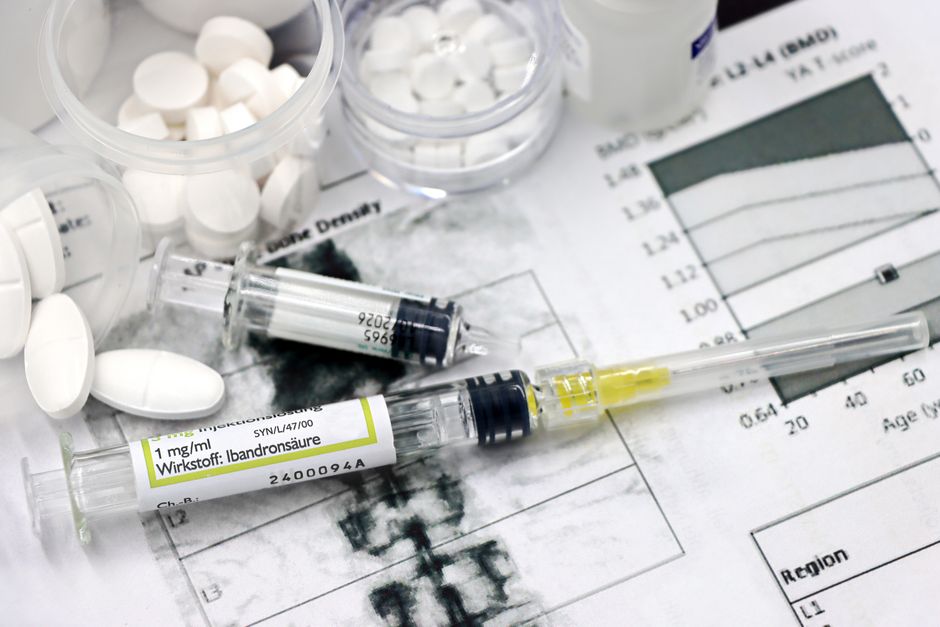
Yes. Syfovre and Izervay are FDA-approved eye injections for geographic atrophy, the late-stage dry form of age-related macular degeneration. They slow the growth of damaged retinal areas; they do not restore lost vision or reverse geographic atrophy. Both also carry injection-related risks and a higher risk of wet AMD, so treatment is a trade-off rather than a cure.
Are there any new treatments for dry macular degeneration?
Yes. The National Eye Institute identifies Syfovre and Izervay as the first FDA-approved drugs for geographic atrophy, the late-stage dry form of AMD.
The distinction matters. Geographic atrophy is damage and loss in the retina associated with dry AMD. Wet AMD is different: abnormal blood vessels leak fluid into the macula. The National Eye Institute states that wet AMD accounts for about 10% of AMD cases, and its treatment path differs from geographic atrophy.
These new drugs block parts of the complement system. Their shared aim is narrow: slow the enlargement of a geographic-atrophy lesion. Slower loss is not repair. A treatment can change the slope of damage without replacing damaged retinal tissue.
| Treatment | What FDA labeling covers | Evidence of slower lesion growth | Core limitation |
|---|---|---|---|
| Syfovre | The 2025 FDA label indicates Syfovre for geographic atrophy secondary to AMD through repeated intravitreal injections. | In the 2023 Lancet report of the 24-month OAKS and DERBY trials, lesion growth was reduced by 22% and 18% in OAKS and by 19% and 16% in DERBY, depending on injection cadence. | The 2023 Lancet trials found no difference in key visual-function outcomes at 24 months. |
| Izervay | The 2026 FDA label indicates Izervay for geographic atrophy secondary to AMD through repeated intravitreal injections. | In the 2023 GATHER2 trial, monthly treatment reduced square-root-transformed lesion-growth rate by 14% at 12 months versus sham. | The measured benefit was slower lesion growth, not restoration of lost vision. |
The comparison is not a race to name a winner. The trials use different designs and measures. Their common message is clearer than any headline: approved complement inhibitors slow progression; they do not make geographic atrophy disappear.
Can Syfovre or Izervay improve vision?
No evidence from the pivotal trials shows that Syfovre or Izervay restores vision lost to geographic atrophy. The 2023 Lancet analysis of Syfovre found no difference at 24 months in best-corrected visual acuity, reading speed, functional reading independence, or one low-light retinal sensitivity measure.
This is the expectation gap. Lesion growth is an anatomic measure. Reading, seeing faces, and navigating dim spaces are functional outcomes. A smaller growth rate can still leave a person with the same visual-function test result during the study period.
The National Eye Institute draws a sharp line between these treatments and wet-AMD care. Anti-VEGF treatment for wet AMD can slow progression and, in most cases, reverse vision loss. Complement-inhibitor injections for geographic atrophy are not presented as vision-restoring treatment.
That does not make slower growth meaningless. It defines the result honestly. The evidence supports delay, not recovery.
How much do geographic atrophy injections slow progression?
They slow progression by a measured but partial amount. In the 2023 Lancet report, Syfovre reduced lesion growth over 24 months by 22% and 18% in OAKS and by 19% and 16% in DERBY, compared with sham, across the two tested treatment cadences.
For Izervay, the 2023 GATHER2 trial reported a square-root-transformed lesion-growth rate of 0.336 millimetres per year with treatment and 0.392 millimetres per year with sham at 12 months, a 0.056 millimetres-per-year difference and a 14% reduction. The 2026 FDA label also reports a 0.36 square-millimetres-per-year treatment difference in GATHER2 over 24 months.
Percentages invite a false picture when stripped of their frame. A slower lesion is still a growing lesion. Trial averages also do not forecast one eye's future. The treatment question is therefore not whether an injection cures geographic atrophy. It is whether a measured reduction in lesion growth outweighs the treatment burden and risks in a given clinical context.
Frequently Asked Questions
What are the risks of Syfovre and Izervay?
Both medicines can raise the chance of wet AMD. The 2025 SYFOVRE FDA label warns of endophthalmitis, retinal detachment, retinal vasculitis or vascular occlusion, intraocular inflammation, increased eye pressure, and wet AMD; some events can cause severe vision loss. The 2026 IZERVAY FDA label lists conjunctival hemorrhage, blurred vision, increased eye pressure, choroidal neovascularization, punctate keratitis, and eye pain among common adverse reactions.
In the 2023 OAKS and DERBY report, new-onset exudative AMD occurred more often in Syfovre groups than sham groups at 24 months. In the 2023 GATHER2 trial, macular neovascularization occurred in 7% of treated participants and 4% of sham participants at 12 months.
How do I know whether I am a candidate for treatment?
Candidacy depends on a confirmed diagnosis of geographic atrophy secondary to AMD, the eye findings, current vision, and whether treatment risks are acceptable in that clinical setting. The 2025 SYFOVRE FDA label says people with an ocular or periocular infection, active intraocular inflammation, or hypersensitivity to the medicine or its ingredients should not receive it.
Trial entry rules also differ from routine care: the 2023 GATHER2 trial enrolled people with non-centrepoint-involving GA and specified visual-acuity criteria. A trial rule is evidence context, not a universal treatment rule.
Are stem cells or gene therapy available for macular degeneration yet?
Stem-cell and gene-therapy approaches for geographic atrophy remain investigational, not FDA-approved treatment options for this condition. The National Eye Institute describes a first-in-human stem-cell patch study focused on safety and feasibility, not established vision benefit. It states that the patch is not expected to improve vision enough for reading or other fine-detail tasks in the treated eye.
ClinicalTrials.gov lists KRIYA-825 as a recruiting phase 1/2 gene-therapy study. Its stated goals are safety, tolerability, and whether lesion growth is reduced. A recruiting early-stage study is a question under test, not a proven treatment.
Progress is not restoration. That is the line these treatments make plain.
Sources
- U.S. Food and Drug Administration: SYFOVRE Prescribing Information
- U.S. Food and Drug Administration: IZERVAY Prescribing Information
- The Lancet: OAKS and DERBY Phase 3 Pegcetacoplan Trials
- The Lancet: GATHER2 Phase 3 Avacincaptad Pegol Trial
- National Eye Institute: Story of Discovery, NEI-Funded Research Paves Way for New Dry AMD Drugs
- National Eye Institute: Clinical Trial Highlight, Stem Cell Transplants for Dry AMD
- ClinicalTrials.gov: KRIYA-825 Gene-Therapy Study for Geographic Atrophy
Disclaimer: This article is for general information only and is not medical advice. It is not a substitute for diagnosis or treatment by a qualified healthcare professional. Always speak to your doctor before acting on anything you read here.