
What Are the Best Event Entertainment Ideas for Adults?
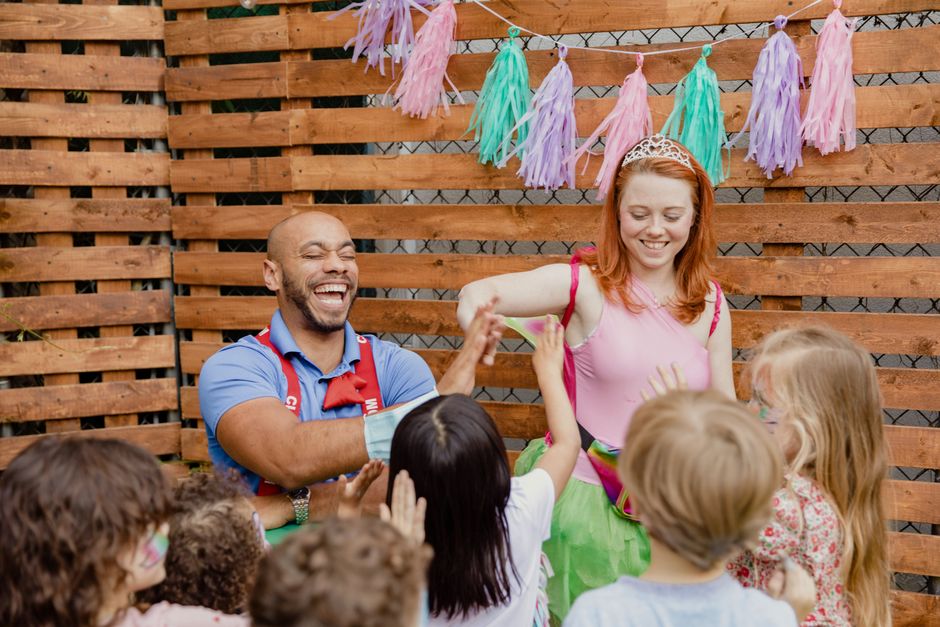
The best event entertainment ideas for adults fit the guests, venue, budget, and desired energy: choose a performance for a watch-first crowd, an optional game or hands-on activity for guests who want to participate, and a clear backup for weather or technical problems. Match the format to the schedule, then make participation accessible and opt-in.
What are some ideas for entertainment at an adult party?
For an adult party, choose one main activity that suits the room and let guests decide how much to join. A close-up magician can circulate among small groups; live music or comedy gives everyone a shared performance; a talent show or interactive game works when the group welcomes more participation.
Use this numbered shortlist to compare formats before you book or organize anything:
- Close-up magician: A flexible choice for mingling because the entertainment can move between small groups. Ask about the room layout and whether guests can watch without being drawn into a trick.
- Talent show: Invite voluntary acts, but also offer a host role, audience role, or judging option that does not require taking the stage.
- Interactive game show: Use short rounds and team play to create a shared focus without making one guest the center of attention.
- Live music: Choose the sound level and set length around conversation and food. The U.S. Bureau of Labor Statistics notes that musicians and singers perform for live audiences and that bands may play at private parties. Its May 2024 median hourly wage of $42.45 is an occupational benchmark, not a quote for hiring a particular performer.
- Comedy: A scheduled set can suit guests who prefer to watch. Confirm the content and format suit the audience and leave room for guests who would rather not be called on.
- Casino night: Offer tables as an optional activity alongside places to sit and talk. Explain the play format before guests join.
- Wellness activity: A brief guided movement or relaxation session can change the pace. Make seated or quiet alternatives available.
- Interactive art: Set up a collaborative piece guests can contribute to at their own pace, with no requirement to speak or show a particular skill.
- Theater experience: A short staged scene or participatory theater can anchor the schedule; tell guests beforehand whether audience involvement is expected.
- Charity auction: If fundraising is part of the event, make the purpose and bidding process clear and provide a way to support the cause without bidding.
What are some ideas for entertainment at events?
For events, match entertainment to the purpose, group size, setting, and time available. A conference reception may benefit from a walk-around performer or live music, while a team gathering may be better served by a short game or hands-on activity that lets people interact in small groups.
Use a quick fit check before choosing:
| Event condition | Options to consider | Planning check |
|---|---|---|
| Guests mainly want to watch | Music, comedy, theater, magician | Can people see or hear without crowding? |
| Guests want light interaction | Team game, casino tables, collaborative art | Can someone join late or simply observe? |
| Small indoor room | Acoustic music, close-up performance, tabletop activity | Will sound and movement leave access routes open? |
| Outdoor setting | Music, games, art, scheduled performances | What is the indoor or sheltered backup? |
Budget needs a reality check. The BLS reports that 47% of musicians and singers were self-employed in 2024, and its wage figure describes occupational pay rather than a vendor’s event rate. Request a quote that specifies performance length, equipment, travel, and setup so you can compare like with like.
What are some examples of entertainment activities for events?
Examples include a live set during arrival, a short comedy or theater segment after a meal, a voluntary talent showcase, team trivia, casino-style tables, and a drop-in art station. The strongest run-of-show gives each activity a job: welcome guests, create a shared pause, or provide an optional way to connect.
Build the schedule around the event’s natural transitions. Keep arrival open for greeting and conversation, place a performance where guests can focus, and avoid running a hands-on activity through food service if guests need to move between stations. Tell attendees what is happening next with a simple cue such as, “The music starts after dinner; the art table stays open throughout.”
Plan a backup alongside the entertainment. For outdoor events, the National Weather Service’s Event Ready Guide identifies hazards including lightning, flooding, high wind, thunderstorms, and tornadoes; heat, fog, and winter weather may also matter. Its planning questions cover likely hazards, shelter or evacuation options, alerts, and the time needed to notify and move attendees to safety. Assign someone to monitor weather and activate the event action plan, and decide in advance what happens if sound or other equipment fails.
What are some interactive party ideas for adults?
Interactive party ideas include team trivia, an opt-in game show, collaborative art, a voluntary talent showcase, casino tables, and a guided wellness activity. Choose an activity with several ways to take part: perform, play in a team, observe, contribute quietly, or skip that round.
That choice is part of the event design, not an afterthought. The American Chemical Society’s guide to hosting inclusive in-person events advises against requiring unexpected speaking or physical participation without an alternative or opt-out. It also recommends accessible seating and layouts, a quiet or private break space at longer events, and asking registrants about access needs.
Ask clearly and early: “Do you have an access need or accommodation request for this event? Contact us so we can discuss what will work.” The Department of Justice explains that communication supports can include sign-language interpreters, captioning, notetakers, large-print materials, and accessible electronic information; the appropriate aid depends on the communication and the person’s usual methods. For hybrid events, plan accessibility before, during, and after the event: a 2024 article in Geoscience Communication cautions that virtual and hybrid formats can reproduce exclusions without deliberate planning.
Frequently Asked Questions
Which entertainment works for guests who do not all know each other?
Choose a shared focal point, such as live music, a comedy set, or a short interactive game with team participation. Keep joining optional and use activities that do not require guests to reveal personal details or perform alone.
How do I choose entertainment for a small indoor event?
Prioritize options with modest space and equipment needs, such as a close-up magician, acoustic performer, tabletop games, or an interactive art station. Confirm volume, seating, access routes, and whether guests can continue talking nearby.
What are inexpensive ways to entertain adults at an event?
Use host-led trivia, a voluntary talent showcase, conversation prompts, or a collaborative art activity using materials already available. Set the format and duration clearly, then compare any performer quotes against the event budget rather than treating occupational wage data as a hiring price.
How can I make event entertainment accessible to guests who do not want to perform or compete?
Make activities opt-in and offer a meaningful alternative, such as watching, listening, or contributing privately. Ask about access needs in advance, provide suitable communication supports, and make a quieter space available when the event calls for it.
Sources
- U.S. Bureau of Labor Statistics — Musicians and Singers
- National Weather Service — Event Ready Guide
- American Chemical Society — Hosting Inclusive In-Person Events
- U.S. Department of Justice — Communicating Effectively with People with Disabilities
- Geoscience Communication — Planning virtual and hybrid events: steps to improve inclusion and accessibility
Related guides

How Do I Evaluate a Temporary Event-Staff Job Before Accepting It?
A practical checklist for checking event-staff pay, employment status, shifts, cancellation terms, safety, and job-scam warning signs.

Banks That Don’t Use ChexSystems: What Are Your Options?
Banks that don’t use ChexSystems include Chime; Liberty offers conditional second-chance checking, but eligibility and fees still matter.

Why Do I Still Feel Like I Need to Poop After a Bowel Movement?
A practical guide to incomplete bowel emptying, including causes, safe first steps, testing, and warning signs.